Kelya: A Handwritten Font for Crafters
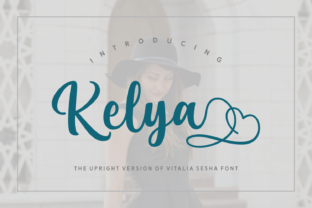
As a maker who spends hours perfecting the curve of a vinyl cut or adjusting the kerning on a wedding invitation, I know that typography is not just an afterthought. It is the voice of your brand. When you are selling handmade goods, whether they are physical candles, digital printables, or custom stationery, the font you choose communicates quality before the customer even reads the words. This is why discovering Kelya felt like finding a missing piece in my design toolkit. It is a stunning decorative handwritten font that bridges the gap between artistic flair and commercial practicality.
In the world of Script Amp and creative Fonts, it is easy to get lost in options that look beautiful in a preview but fail in production. Some scripts are too thin for vinyl cutting; others are too messy for quick reading on a product label. Kelya stands out because it offers a unique look and feel while maintaining the structural integrity needed for real-world applications. It allows you to create eye-catching designs in an instant, turning any project into something unique with its elegant calligraphy-style flow.
Why Kelya Works for Handmade Businesses
The primary challenge for small shop owners and crafters is consistency. Your brand identity needs to be recognizable across Instagram posts, packaging tags, and website banners. Kelya serves as a versatile premium font that can anchor this visual identity. Its personality is warm yet sophisticated, making it ideal for businesses that want to appear approachable but high-end.
When I use Kelya for logo design or brand headers, it adds a human touch that rigid geometric fonts simply cannot match. This emotional appeal is crucial for handmade sellers. Customers are often buying the story behind the product as much as the product itself. A handwritten font like Kelya suggests care, attention to detail, and personalization. Whether you are creating social media graphics to announce a new drop or designing a thank-you card to include in shipments, this typeface reinforces the narrative of craftsmanship.
Practical Applications for Physical and Digital Products
The versatility of Kelya shines when applied to specific product categories. Here is how I integrate this display font into various aspects of my creative business:
- Wedding Stationery and Invitations: Kelya is perfect for names and dates on wedding suites. Its fluid strokes mimic traditional calligraphy, giving couples the look of expensive hand-lettering without the hourly rate. It pairs beautifully with a clean sans serif font for the body text, ensuring readability while keeping the header romantic and grand.
- Product Labels and Packaging: For candle makers, soap artisans, and boutique clothing brands, label design is critical. Kelya works exceptionally well for short phrases like "Hand Poured," "Limited Edition," or the product name itself. However, for ingredient lists or detailed instructions, I always recommend switching to a simple serif font or sans serif to maintain legibility at small sizes.
- Vinyl Decals and Signs: If you use Cricut or Silhouette machines, you know that not all scripts cut cleanly. Kelya’s stroke width is generally consistent enough for vinyl cutting, provided you size it appropriately. It is excellent for farmhouse-style wall art, welcome signs, and nursery decor. The connected letters create a seamless look that feels professional rather than disjointed.
- Digital Printables and Planners: For those selling digital downloads, Kelya adds a decorative element to planner headers, quote prints, and journal covers. It transforms a standard template into a creative font feature that customers perceive as higher value.
Readability and Design Best Practices
While Kelya is undeniably attractive, using any handwritten font requires a strategic approach to readability. Decorative scripts are designed for impact, not for long paragraphs. I strictly limit Kelya to titles, short phrases, names, and decorative wording. Using it for body text can frustrate readers and dilute your message.
When designing for small formats, such as stickers or jewelry tags, test your design at 100% scale before finalizing. Intricate swashes or tight ligatures might blur together when printed small or cut from thin vinyl. If you find certain letter combinations are touching too closely, adjust the tracking slightly or utilize alternate glyphs if available in the font file. Always check the included styles, alternates, and ligatures to see if you can swap out a problematic character for a cleaner variant.
Another key consideration is contrast. Kelya looks best when it has plenty of breathing room. Do not crowd it with other busy elements. Let the modern typography speak for itself by pairing it with ample white space. This technique elevates the perceived quality of your packaging design and makes your products look more luxurious.
Font Pairing for Cohesive Brand Identity
A common mistake among new designers is pairing two decorative fonts. This creates visual noise and confuses the eye. To make Kelya work effectively, pair it with a neutral counterpart. A clean, minimal sans serif font is usually the best choice. The simplicity of the sans serif balances the ornate nature of the script, creating a harmonious hierarchy.
For a more traditional or rustic vibe, consider pairing Kelya with a classic serif font. This combination works well for vintage-inspired labels or literary-themed printables. The key is to ensure the secondary font does not compete for attention. Kelya should be the star, used for the hook or the name, while the supporting font handles the informational heavy lifting.
Licensing and Commercial Use
Before integrating any new typeface into your product line, it is essential to understand the licensing terms. As a commercial seller, you must ensure that your use of Kelya complies with the creator’s guidelines. Typically, purchasing a commercial license allows you to use the font on physical products you sell, such as mugs, shirts, tote bags, and printed invitations. It also usually covers the creation of digital assets like SVG designs for cutting machines.
However, always verify if the license covers embedding the font in editable templates for resale or if it restricts use in logos that will be trademarked. Protecting your business means respecting intellectual property. By securing the proper commercial font license, you ensure that your design assets are legally sound, allowing you to focus on creativity rather than compliance issues.
In conclusion, Kelya is more than just a pretty typeface; it is a functional tool for enhancing the aesthetic value of your handmade goods. From web design headers to physical product labels, it offers the charm of calligraphy with the reliability needed for modern production. By understanding its strengths and limitations, you can leverage this script font to build a stronger, more appealing brand identity that resonates with your customers.