Elabama Font: Elevate Your Brand Identity
As a small business owner, you know that first impressions are everything. Before a customer even reads your product description or hears your pitch, they see your visual identity. In the crowded marketplace of online shops, local boutiques, and service-based startups, standing out requires more than just a good logo; it requires a cohesive look and feel. This is where choosing the right typeface becomes a critical business decision. Enter Elabama, an elegant signature font that brings a distinct feminine touch to your brand materials. Whether you are designing packaging for handmade candles or crafting social media graphics for a coaching business, Elabama offers the perfect blend of personality and professionalism.
Why Visual Consistency Builds Trust
Consistency is the backbone of brand recognition. When your fonts, colors, and imagery align across every touchpoint, you signal to your customers that you are organized, reliable, and detail-oriented. Using a haphazard mix of fonts can make a business look amateurish, while a curated selection of Fonts from a trusted source like Script Amp can elevate your perceived value instantly.
Elabama is not just a decorative element; it is a strategic tool for building brand identity. Its flowing, handwritten style mimics the personal touch of a signature, which is incredibly effective for businesses that rely on personal connection. Think about the difference between a sterile, corporate-looking invoice and one signed with a warm, elegant script. The latter feels human. For entrepreneurs, this human element is vital. It transforms a transaction into a relationship.
The Personality of Elabama
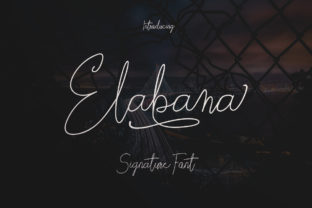
Elabama is defined by its graceful curves and sophisticated flow. It captures the essence of modern femininity without being overly ornate or difficult to read. As a script font, it carries a mood that is both inviting and upscale. This makes it versatile enough for a wide range of industries. It is not limited to wedding invitations or bridal shops. While it certainly shines in those contexts, its application extends far beyond.
The font’s design suggests care and craftsmanship. If you sell handmade jewelry, organic skincare, or artisanal baked goods, Elabama communicates that your products are made with love and attention to detail. It acts as a visual shorthand for quality. When used correctly, this premium font can make a simple paper tag feel like a luxury accessory.
Practical Applications for Your Business
So, where exactly should you use Elabama in your daily operations? The key is to use it as a display font or accent rather than for long blocks of text. Here are several high-impact areas where this typeface can drive results:
- Logo Design: If your brand name is short and memorable, Elabama can serve as the primary logotype. It works beautifully for boutique names, beauty brands, and creative studios.
- Packaging Design: Use it on product labels, box seals, and thank-you cards. A simple "Thank You" written in Elabama on a sticker adds a personal touch that customers love to share on social media.
- Social Media Graphics: Instagram posts and Pinterest pins benefit greatly from expressive typography. Use Elabama for headlines, quotes, or promotional announcements to stop the scroll.
- Website Banners: On your homepage or landing pages, use Elabama for hero text or section headers to guide the eye and add visual interest.
- Print Materials: From business cards to flyers and menus, this font adds a layer of sophistication. Imagine a café menu where the special items are highlighted in Elabama; it draws attention and suggests exclusivity.
Readability and Real-World Usage
One common concern with handwritten fonts is readability. Will customers be able to read it on a small mobile screen? Will it hold up on a tiny product label? Elabama is designed with these practical considerations in mind. However, smart usage is key. Avoid using it for body copy or fine print. Instead, reserve it for headlines, short phrases, and signatures.
For example, if you are designing a label for a small batch of jam, use Elabama for the flavor name ("Strawberry Basil") but switch to a clean, simple font for the ingredients list and weight information. This hierarchy ensures that your brand looks stylish while remaining functional. Always test your designs at actual size before printing. Print a sample label and hold it in your hand. If you have to squint to read the main text, you may need to increase the font size or adjust the spacing.
Smart Font Pairing Strategies
To get the most out of Elabama, you need to pair it with complementary typefaces. A good rule of thumb is to balance complexity with simplicity. Since Elabama is expressive and detailed, it pairs best with neutral, structured fonts.
Consider pairing it with a clean sans serif font. The geometric lines of a sans serif provide a modern contrast to the organic flows of the script. This combination is popular in modern typography and works well for tech-forward brands or minimalist boutiques. Alternatively, you can pair it with a classic serif font for a more traditional, editorial look. This works wonders for magazines, books, or high-end lifestyle brands. The key is to ensure that the secondary font does not compete for attention. Let Elabama be the star, and let the supporting font do the heavy lifting for readability.
Testing Before Full Implementation
Before you roll out Elabama across your entire web design and print collateral, take time to test it. Create a mockup of your business card, your Instagram profile highlight covers, and your primary product packaging. Look at them together. Do they feel like they belong to the same family? Does the font reflect the price point and vibe of your products?
Ask for feedback from your target audience. Show them two versions of a flyer—one with a generic font and one with Elabama. Ask which one feels more trustworthy or appealing. Their answers can provide valuable insights into how your creative font choice impacts perception.
Licensing and Professional Use
Finally, always respect intellectual property. When you purchase design assets like fonts, ensure you understand the licensing terms. Most premium fonts require a commercial license if you are using them for business purposes. This includes using them on products you sell, in client work, or in digital downloads. Check the specific license for Elabama to ensure it covers your intended use cases, such as merchandise, packaging, and advertising. Using a properly licensed commercial font protects your business from legal issues and supports the designers who create these essential tools.
Incorporating Elabama into your brand toolkit is more than just a aesthetic choice; it is a strategic move toward a more polished, recognizable, and trustworthy business presence. By using it thoughtfully across your marketing materials, you create a consistent narrative that resonates with your customers and sets you apart from the competition.