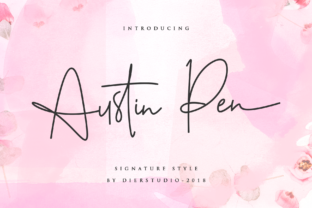
Austin Pen: A Handwritten Font for Elegant Branding
I still remember the exact moment I realized my bakery’s branding was working against me. It wasn’t the quality of the sourdough or the freshness of the croissants; it was the packaging. I had spent weeks perfecting a rustic, minimalist label design, but the typography felt cold and disconnected from the warmth I wanted to convey to my customers. I needed something that felt human, personal, and effortlessly stylish. That is when I discovered Austin Pen, a handwritten signature script from Script Amp that completely shifted the visual tone of my small business.
For any entrepreneur, creative consultant, or small business owner, choosing the right typeface is one of the most critical decisions in building a brand identity. It is not just about making words legible; it is about communicating personality before a customer even tastes your product or reads your service description. Austin Pen offers a natural, stylish flow that mimics authentic handwriting, providing that elusive classic and elegant feel that so many modern brands strive for without appearing overly manufactured.
Why Authentic Handwriting Matters in Modern Design
In an era dominated by digital precision and automated templates, consumers are craving authenticity. They want to feel a connection to the maker, the chef, or the artist behind the product. This is where a premium font like Austin Pen shines. Unlike rigid geometric sans serif fonts that scream "corporate efficiency," a script font invites the viewer in. It suggests care, attention to detail, and a personal touch.
When I applied Austin Pen to my new product labels, the change was immediate. The font’s natural flow created a sense of movement and grace. It didn’t look like a computer generated it; it looked like I had signed each box myself. This psychological effect is powerful. It builds trust and makes a brand feel more approachable and customer-friendly. For businesses in the beauty, food, boutique, or handmade sectors, this emotional connection can be the difference between a browser and a buyer.
Practical Applications for Small Business Branding
The versatility of Austin Pen makes it a valuable asset in your design toolkit. While it is primarily a display font, meaning it works best at larger sizes, its applications are vast. Here is how I have seen it work effectively across various real-world business materials:
- Packaging Design: Whether it is a candle jar, a skincare bottle, or a bakery box, Austin Pen adds a layer of sophistication. It works beautifully as the primary logo element or as a decorative accent highlighting key ingredients or flavors.
- Social Media Graphics: In the crowded feed of Instagram or Pinterest, standing out is essential. Using Austin Pen for quotes, promotional headers, or story highlights creates a cohesive and recognizable aesthetic. It stops the scroll because it feels artistic rather than advertising-heavy.
- Thank-You Cards and Inserts: Including a handwritten note in every order is a great practice, but printing a consistent message using Austin Pen ensures your brand voice remains uniform. It adds a professional yet personal touch to the unboxing experience.
- Website Banners and Headers: On your online shop, use this typeface for hero sections or welcome messages. It sets the mood immediately, signaling to visitors that they are entering a space that values elegance and craftsmanship.
However, it is important to use this creative font strategically. Because it is a script font with a flowing character, it is not suitable for long paragraphs of body text. Reserve it for headlines, short phrases, logos, and emphasis. Let it breathe. Give it space on the page so its elegant loops and tails can be appreciated.
Readability and Pairing Advice for Non-Designers
One common concern business owners have when switching to a handwritten font is readability. Will my customers be able to read it? The answer lies in context and pairing. Austin Pen is highly legible for a script, but like all display fonts, it requires careful handling.
When designing for small labels or mobile screens, avoid using Austin Pen for tiny details. Keep the font size large enough so the intricate connections between letters do not blur together. If you are creating a product label, use Austin Pen for the product name (e.g., "Lavender Mist") and pair it with a clean, simple sans serif font for the descriptive text (e.g., "Calming Body Spray"). This contrast creates a balanced hierarchy that is both beautiful and functional.
For font pairing ideas, consider these combinations:
- With a Modern Sans Serif: Pairing Austin Pen with a minimal sans serif creates a contemporary, chic look. This is ideal for modern boutiques, tech-forward wellness brands, or minimalist cafes. The contrast between the organic script and the structured sans serif keeps the design grounded.
- With a Classic Serif Font: For a more traditional, luxury feel, combine Austin Pen with an elegant serif font. This works wonderfully for high-end skincare, artisanal chocolates, or wedding-related services. The serif adds authority and timelessness, while the script adds warmth.
Remember, white space is your friend. Do not crowd Austin Pen. Allow ample padding around the text to let the natural stylish flow of the handwriting stand out. This simple design principle elevates the perceived value of your brand instantly.
Technical Considerations and Licensing
Before you download and start designing, it is crucial to understand the technical aspects of the font. Austin Pen is part of the Script Amp collection, known for high-quality digital assets. When acquiring this commercial font, check the included file formats. Typically, you will receive OTF or TTF files, which are compatible with most design software like Adobe Illustrator, Photoshop, Canva, and Microsoft Word.
Pay close attention to the licensing agreement. If you are using Austin Pen for client work, digital downloads, or physical merchandise, ensure you have the appropriate commercial license. Many font creators offer different tiers of licensing based on usage volume. Investing in the correct license protects your business and respects the intellectual property of the type designer.
Additionally, explore if the font includes alternates or ligatures. Some script fonts offer multiple versions of certain letters to prevent repetitive patterns in longer words. While Austin Pen is designed for a natural flow, checking for these features can help you customize the look further, ensuring that your logo or headline looks unique and tailored.
Elevating Your Brand Identity with Typography
Ultimately, typography is the voice of your brand. It speaks to your audience before you say a word. By choosing a typeface like Austin Pen, you are making a statement about your values: elegance, authenticity, and attention to detail. It transforms ordinary designs into memorable experiences.
Whether you are refreshing a café menu, updating your online shop banner, or creating new tags for your boutique, consider the impact of a well-chosen script. Austin Pen provides that classic and elegant feel without trying too hard. It is a tool that allows small business owners to compete visually with larger brands by leveraging the power of personal connection.
As you integrate this font into your brand identity, keep your audience in mind. Test your designs on different mediums—print, screen, and packaging. Ask for feedback. Does it feel right? Does it reflect the quality of your product? If the answer is yes, then you have found a typographic partner that will help your business look polished, consistent, and truly memorable. In the end, good design is not just about aesthetics; it is about communication. And Austin Pen communicates with grace.